Retaining Walls & Concrete Masonry
Structural retaining walls and masonry work that combines function with lasting beauty.
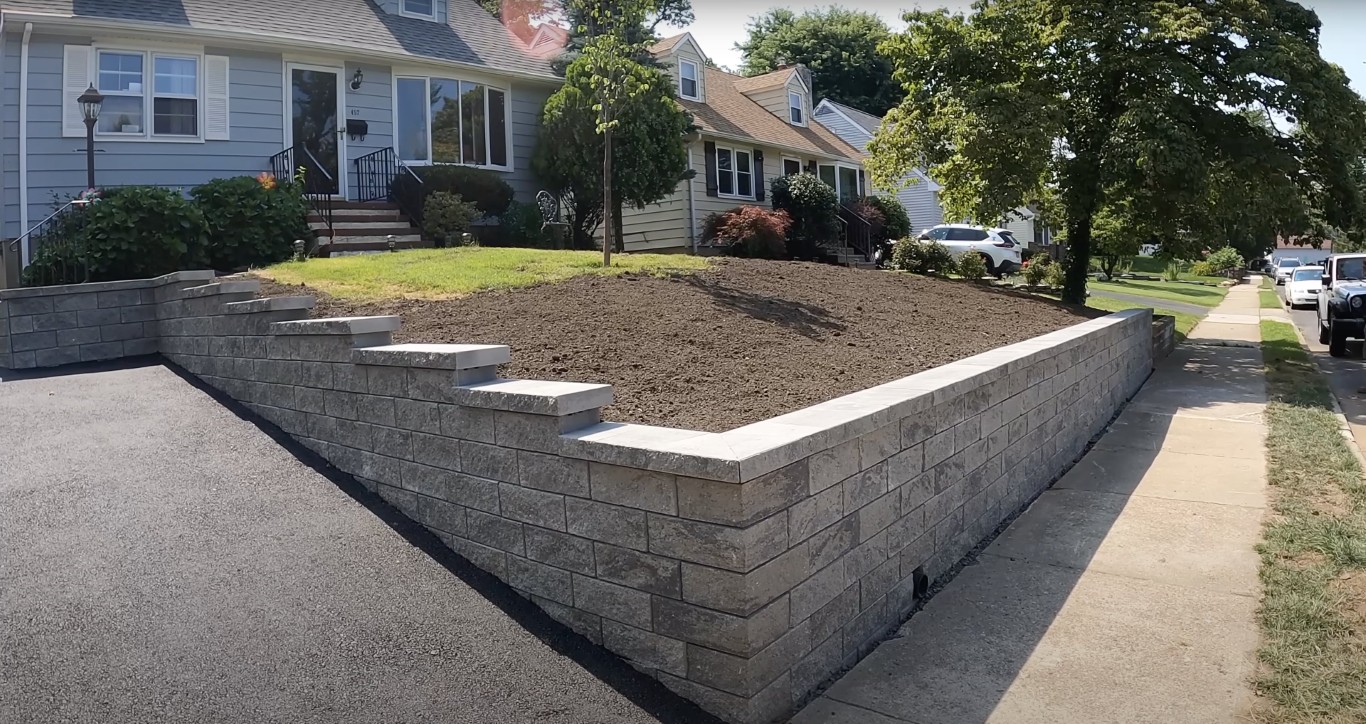
Retaining walls serve critical functions on properties with slopes or grade changes. They prevent erosion, create usable flat areas, and manage water drainage. A properly built retaining wall also adds visual interest to your landscaping and increases property value. We specialize in both poured concrete and concrete block retaining walls that combine structural integrity with attractive finishes.
Why Properties Need Retaining Walls
Many properties in the Tuscaloosa area have slopes or grade changes that create challenges. Without proper support, soil erodes and slides, especially during heavy rains. This erosion can damage your property, threaten structures, and create muddy, unusable areas. Retaining walls solve these problems by holding soil in place while allowing proper drainage.
Beyond preventing erosion, retaining walls create functional outdoor spaces. A sloped backyard can be transformed into terraced levels perfect for gardens, patios, or play areas. Retaining walls along driveways provide stable edges and prevent shoulder washouts. They can also define property boundaries and create visual separation between different areas of your landscape.
Here are common reasons property owners need retaining walls:
- Preventing soil erosion on slopes and hillsides
- Creating level areas for patios, gardens, or lawns
- Managing water drainage and preventing flooding
- Supporting driveways and parking areas on slopes
- Protecting foundations and structures from soil pressure
- Adding curb appeal and defining landscape features
- Creating raised planting beds or garden terraces
Types of Retaining Walls We Build
Different situations call for different retaining wall types. We help you choose the right solution based on wall height, soil conditions, drainage needs, and aesthetic preferences.
Concrete Block Retaining Walls
A block retaining wall offers versatility and relatively easy installation for walls up to 4 or 5 feet tall. These interlocking blocks stack without mortar for shorter walls, or we can use mortar and reinforcement for taller structures. Modern concrete blocks come in various colors, textures, and sizes to match your landscape design. The modular nature makes repairs or future modifications easier than poured concrete.
Poured Concrete Retaining Walls
For maximum strength and durability, especially for taller walls, poured concrete is the best choice. These walls require forming and typically include steel reinforcement. The solid construction handles greater soil pressure and lasts for decades with minimal maintenance. Poured concrete walls can be faced with stone or decorative treatments for improved appearance while maintaining structural strength.
Segmental Retaining Walls
Segmental walls use specially designed concrete blocks that interlock or pin together. These systems work well for curved walls and tiered designs. The blocks often have decorative faces that look like natural stone. Proper installation includes geogrid reinforcement for walls over 3 feet tall. These walls offer excellent performance and visual appeal.
Concrete Masonry Walls and Structures
Beyond retaining walls, we build various concrete masonry structures including garden walls, privacy walls, and architectural features. Concrete block can be used for columns, planters, and outdoor fireplaces. Stucco or stone veneer finishes create custom looks. These structures add character to your property while providing the durability of masonry construction.
Proper Design and Engineering
Retaining wall failure is expensive and dangerous. Walls that are not properly designed or built can lean, crack, or collapse under soil pressure. That is why we take design and engineering seriously for every retaining wall project.
For walls over 4 feet tall or those supporting critical loads, we recommend getting engineering calculations. An engineer evaluates soil conditions, drainage, surcharge loads, and seismic factors to specify the proper wall design. This includes footing size, wall thickness, reinforcement requirements, and drainage systems. Following engineered plans ensures your wall performs safely for its entire lifespan.
Even shorter walls benefit from our experience with local conditions. We know the soil characteristics in the Tuscaloosa area and how to design walls that handle our climate. Proper base preparation, adequate drainage, and correct setback angles are critical. We also check local building codes and obtain necessary permits when required.
How We Build Retaining Walls
Quality installation starts with proper excavation and base preparation. We dig down to stable soil and excavate back far enough to accommodate the wall thickness plus drainage material. The base must be level and compacted to provide solid support. For taller walls, we pour a concrete footing that extends below the frost line.
Drainage is critical for retaining wall performance. Water buildup behind a wall creates tremendous pressure that can cause failure. We install drainage systems including perforated pipe at the base and gravel backfill behind the wall. This allows water to drain away rather than building up pressure. Weep holes or drainage outlets let water escape at regular intervals.
The wall itself is built according to specifications, with each course leveled carefully. For segmental walls, we install geogrid reinforcement that extends back into the soil mass. This ties the wall to the soil behind it for additional strength. Poured walls include steel reinforcement and are formed precisely. We cap the top of the wall appropriately and ensure proper tie-ins where the wall meets other structures.
After the wall is complete, we backfill behind it in lifts, compacting each layer. Proper backfilling prevents settling and ensures the drainage system works correctly. The final grade directs water away from the top of the wall. When done right, your retaining wall will hold strong for decades.
Integrating Walls with Your Landscape
A retaining wall should enhance your property, not just serve a structural function. We consider the overall landscape design when planning your wall. The style, color, and texture should complement your home and existing landscaping.
Terraced walls create multiple levels that add visual interest and provide planting opportunities. Curved walls follow natural contours and feel more organic than straight lines. Incorporating steps into the wall design provides access between levels. Lighting can be built into or added to walls for nighttime safety and ambiance.
We can coordinate retaining wall installation with other concrete work on your property. A new patio backed by a retaining wall creates a beautiful, functional outdoor living space. Connecting walkways and steps integrate the different levels seamlessly. Our comprehensive concrete services in Tuscaloosa let you work with one contractor for all these elements.
Retaining Wall Maintenance
Retaining walls need less maintenance than other landscape features, but some attention keeps them looking good and functioning properly. Check drainage outlets regularly to ensure they are not blocked by leaves or debris. Clear vegetation growing against the wall as roots can damage masonry over time.
Inspect your wall periodically for signs of movement, cracking, or leaning. Small problems can often be repaired easily, but they can indicate more serious issues if ignored. Bulging or significant leaning means the wall is failing and needs professional evaluation. Clean the face of masonry walls occasionally to remove dirt and stains.
If you notice any concerns with your retaining wall, contact us for an inspection. We can assess the situation and recommend repairs if needed. Catching problems early prevents expensive failures and protects your property.